TL;DR
- The market is tight right now: vacancy among private rental homes hit 1.9% at the end of 2025, and 50-100 applicants compete for every home. New construction has fallen 71% since 2022.
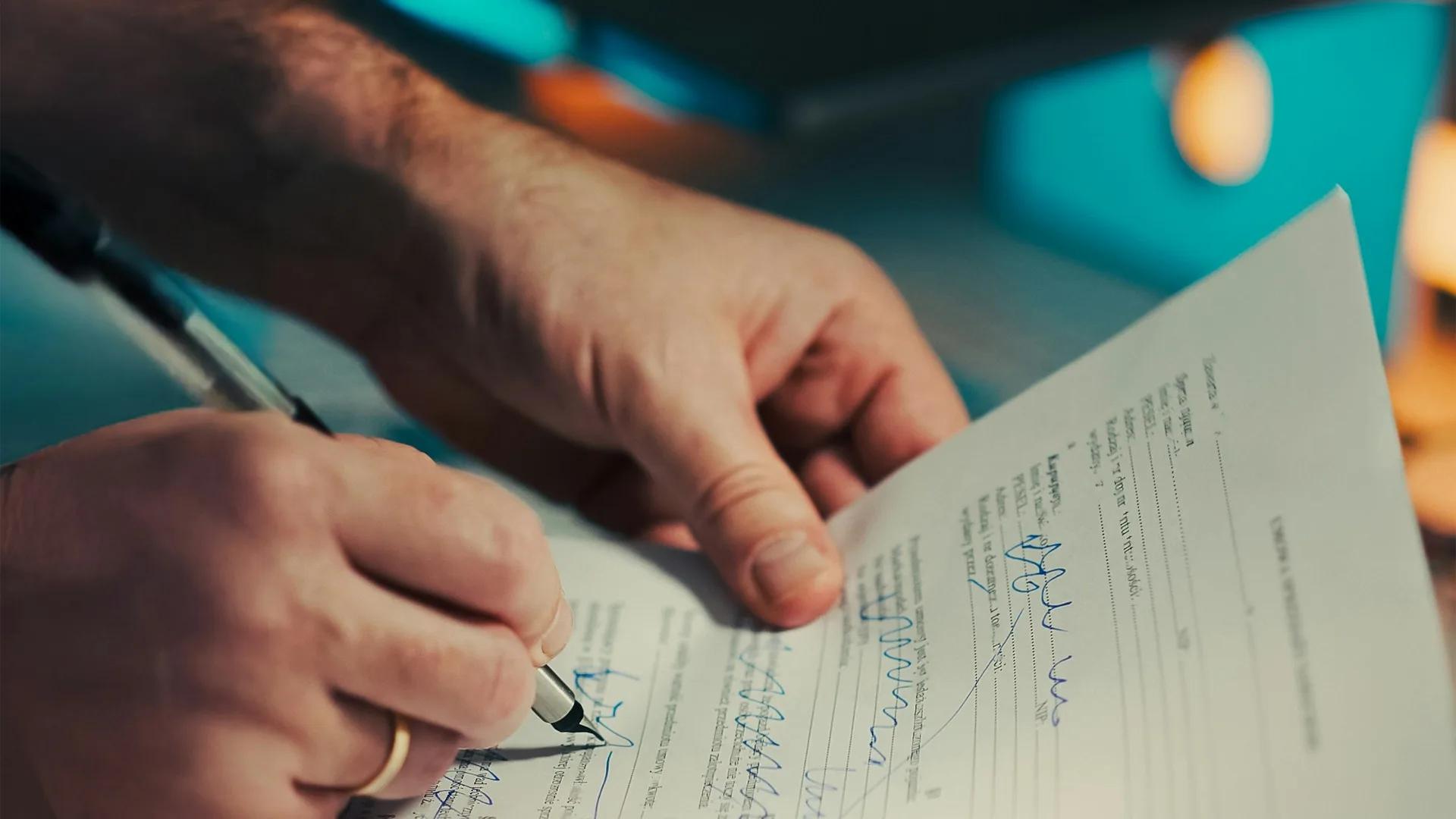
- That pressure is exactly why people sign too quickly. When you are afraid of losing the home, you don't read the small print.
- The deposit can be at most 3 months, plus 3 months' prepaid rent. And you should never pay before the contract is signed.
- Rent can't simply be raised because the market has become more expensive. How it may be adjusted depends on your tenancy: many contracts follow the net price index (Rent Act section 53), while others are adjusted by, for example, taxes and charges (section 46). It must be stated in the contract.
- Move-in and move-out inspections are your best protection for the deposit when you eventually move out.
- Your strongest protection is not a section of the law. It is having an alternative. If you can see the whole market, you can walk away from a bad deal instead of saying yes in a panic.
Why this matters right now
Let's be honest about what you are up against, because it changes how you should approach it.
The rental market is tighter than it has been in years. The share of private rental homes standing empty fell to 1.9% at the end of 2025. And when almost nothing is available, every home that appears gets 50 to 100 applicants. At the same time, new construction has fallen 71% since 2022, so new homes are not being added at the pace needed.
The pressure does something to us. When 80 people are fighting over the same flat, it is tempting to say yes to anything just to get it: a slightly too high deposit, a clause you don't quite understand, a quick transfer before the viewing. But a busy market does not cancel your rights. The Rent Act applies no matter how many people are queuing behind you. Here are the things that protect your finances most when you sign in autumn 2026.
Deposit: at most 3 + 3, and never before signing
Under the Rent Act, a landlord may demand at most 3 months' depositum (deposit) plus 3 months' prepaid rent. If you are met with more, you can safely ask about it. It is not a demand you simply have to accept.
And then the simplest rule of all: never pay anything before the contract is signed, and preferably not before you have seen the home with your own eyes. That one sentence saves more people than any other. A "reservation fee" before you have even been to the address is not something a serious landlord asks for.
If you want the full checklist for spotting bad deals, we have collected it in How to avoid the traps in the housing hunt.
Rent increases: it depends on your contract
This is worth money to understand: a landlord can't just raise the rent because the market has become more expensive. But there is not one rule for all tenancies. If it is agreed in the contract, the rent can be adjusted once a year according to the net price index (Rent Act section 53). In other tenancies it is adjusted on a different basis, for example changes in taxes and charges (section 46), and in older buildings the rent may be cost-based. Which model applies to you is stated in your lease and depends on the property.
That means you can work out what the home will realistically cost you in one and two years, instead of being surprised. Ask for the adjustment principle to be written clearly into the contract, so you both know what you have agreed. You can follow the index itself at Statistics Denmark if you want to see the trend.
Move-in and move-out inspections protect your deposit
When you move in, show up for the inspection, take dated photos, and have any defects and shortcomings written down. It feels like a formality on a day when you are surrounded by moving boxes, but it is your strongest card on the day you move out again.
Without documentation of the home's condition at move-in, you are in a weak position if there is later talk of deducting from your deposit for damage that was already there. Our moving-in checklist takes you through it, point by point.
Take your time to read the contract
You always have the right to read the whole contract in peace before you sign, and to get a second pair of eyes on it if something is unclear. A serious landlord gives you that time. If you are pressured to sign "now, or it's gone", that says more about the landlord than about the home.
This also applies if you sublet: the Rent Act's rules on deposit and prepaid rent also apply between you and the person you sublet to, so you are both better off when things are written down from the start.
Your best protection is an alternative
Here is the point no section of the law can give you: you stand strongest when you have another choice.
The reason people accept a too-high deposit or a deal that doesn't feel right is rarely that they don't know the rules. It is the feeling that it is *this* home or none. And that feeling usually arises because you are only looking in one place and so only seeing a small part of what is actually available.
That is exactly why we built BoligScout. We gather active rentals from across the market in one place, so you see the overview instead of jumping between ten tabs. Browsing the whole market is free, and you unlock direct contact with landlords with BoligScout+. The more widely you look from the start, the more real options you have, and the easier it is to politely say no thanks and move on to the next one if a deal isn't right.
The short version
- The market is tight (1.9% vacancy, 50-100 applicants per home), and the pressure is why people sign too quickly.
- Deposit: at most 3 months plus 3 months' prepaid rent. Never pay before signing.
- Rent adjustment depends on the tenancy: the net price index (section 53) is one model, taxes and charges (section 46) another. Check your contract.
- Attend the move-in inspection and document the home's condition. It protects your deposit.
- Take your time to read the contract. Feeling pressured is not a reason to sign.
- Your real protection is an alternative. If you see the whole market, you stand stronger.
You shouldn't sign in a panic. See all active rentals for free, and unlock direct contact with landlords with BoligScout+. The more real choices you have, the stronger you stand, including against the contract you are about to sign.
Further reading
- The Rent Act in full (Act no. 341 of 22 March 2022): retsinformation.dk
- Rent index and price trends: Statistics Denmark
- Housing benefit, if you are a tenant or student: borger.dk